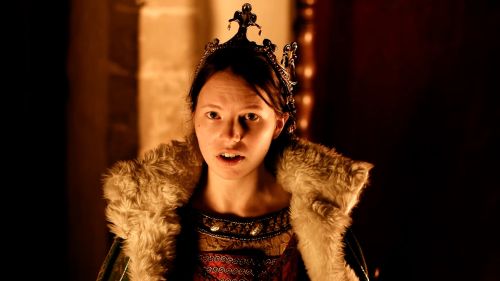

Bringing ideas, research and subjects to life
Strategic storytelling
Organisations, universities and cultural institutions have valuable ideas, research and initiatives that are sometimes difficult to communicate in ways people can connect with.
We help turn complex material into human stories, using film and creative communication to make it easier to understand and discuss.
That might mean finding the people behind a piece of research. Creating a story that helps audiences understand a difficult subject. Or developing materials that make an idea clearer, more memorable and easier to share.
The work can take many forms: films, digital learning resources, campaign storytelling, classroom materials, internal communications or public engagement content.

The aim is simple: to ensure important ideas don’t remain buried in reports or presentations, but become something people remember and share.
Workshop:
ALIVE Leaders
This practical workshop applies ALIVE to leadership pressures: making decisions with incomplete information, inviting challenge without losing authority, responding to disagreement and creating a culture where people speak honestly, exercise judgement and learn from experience.
Resource:
Still Learning
Still Learning is a book about remaining curious when it is easier to pretend we already know. It explores how we ask better questions, listen more carefully, make sense of different perspectives and stay open to revising what we think.
Resource:
ALIVE Film
This short field guide explores how drama, documentary and animation can support learning and communication. It offers practical questions for anyone commissioning or creating film, and an ALIVE approach to continuing the conversation after the screen goes dark.
Case study:
The small moments that define care
A university team was sharing research into how everyday interactions impact the experience of dementia care. We produced a series of short films based on real situations, creating a learning experience that helped care staff recognise the small actions that define person-centred care.
The films helped care staff reflect on communication, relationships, and how small interactions can make a meaningful difference to wellbeing.

Case study:
What people really think
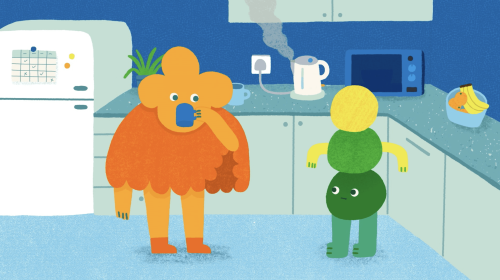
An EMEA-wide business had introduced a new internal tool and needed to encourage stronger adoption across teams. We created a series of unusual characters in familiar office situations, allowing people to acknowledge their own reactions - hesitation, frustration, curiosity.
The characters opened up conversations around the rollout, allowing teams to talk about different reactions to change.
Case study:
Hearing history in its own voice
A government department marking the 800th anniversary of Magna Carta wanted pupils to explore the document through enquiry rather than explanation.
We created a series of filmed “interviews” with historical figures, allowing pupils to encounter conflicting perspectives and investigate original sources.
The films encouraged pupils to question, interpret and engage with history more actively in the classroom.